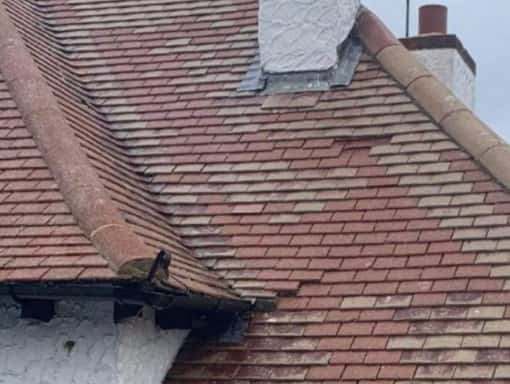
Discovering a roof problem can leave homeowners uncertain about what has caused it, how quickly it needs attention and whether a local repair will be sufficient. Roof defects are not always straightforward because water can travel beneath the covering before becoming visible inside the property.
For homeowners in Tunbridge Wells, Kent, the following answers explain some of the most common questions about professional roof repairs.
Common Questions About Roof Repairs
Understanding how roof problems develop can help you recognise when an inspection is required and what an effective repair should achieve.
How Do I Know Whether My Roof Needs Repairing?
Visible warning signs can include slipped or cracked tiles, deteriorated mortar, damaged flashing and debris on the ground beneath the roof. Internal symptoms may include ceiling stains, damp patches, peeling decoration or moisture within the roof space.
Not every defect can be seen from ground level. If something has changed or water appears after rainfall, a professional inspection can determine whether the roof requires attention.
Does One Missing Tile Need Prompt Attention?
A missing tile creates an exposed area where rain can reach the underlay and supporting battens. Although the underlay may provide temporary protection, it is not intended to function as the primary weatherproof covering.
Promptly replacing the missing tile helps protect the materials beneath it. The surrounding tiles and fixings should also be checked to establish why the tile became displaced.
Why Is Water Appearing Away From the Leak?
Water does not always fall directly from the point where it enters. It can travel along underlay, rafters, battens or pipework before reaching a ceiling or wall.
This is why repairing the area immediately above a damp mark may not resolve the problem. Effective roof leak detection involves tracing the likely route of the moisture back to its source.
Can a Small Roof Leak Be Left to Dry Out?
A damp mark may dry during settled weather, but this does not mean the defect has resolved itself. Further rainfall can allow more water to enter, potentially affecting insulation, plasterboard and timber.
Even an occasional leak should be assessed. Early investigation often makes it easier to identify and contain the affected area.
Why Does My Roof Leak Only During Heavy Rain?
Heavy or prolonged rainfall can expose defects that remain dry during light showers. Larger volumes of water may overwhelm blocked drainage channels, penetrate small gaps or be driven beneath loose materials by the wind.
The timing and weather conditions associated with the leak provide useful clues. Sharing these details with a roofer can help narrow down the likely source.
Can a Roof Be Repaired Without Replacing It?
Many roof problems can be resolved with targeted repairs when the surrounding materials remain in sound condition. This may include replacing damaged tiles, renewing a section of flashing or repairing a localised roof junction.
Replacement is more likely to be considered when deterioration affects several areas, materials are failing repeatedly or the underlying roofing system is no longer dependable. A proper assessment should distinguish between these situations.
Why Has a Previous Roof Repair Failed?
A repair may fail if it addressed the visible symptom rather than the original entry point. Water could also be entering through a separate defect nearby or travelling from higher up the roof.
Other factors include deteriorated surrounding materials, unsuitable detailing or a wider problem with the underlay and battens. Inspecting the previous repair alongside the rest of the roof helps identify the actual cause.
What Does a Professional Roof Inspection Cover?
The inspection should focus on the area associated with the reported problem while also considering the wider roofing system. Depending on the roof and its condition, this can include:
- tiles or slates
- ridges and verges
- flashing and leadwork
- valleys and roof junctions
- gutters and roofline components
- accessible underlay and battens
- visible roof timbers
- earlier repair areas
Internal evidence, such as damp marks or moisture in the roof space, can also help establish how water is moving through the structure.
Should I Attempt the Repair Myself?
Roof work involves working at height and accurately diagnosing a system where several components may contribute to one problem. A surface-level patch may conceal the symptom without correcting the defect.
Professional repair allows the affected area to be inspected properly, suitable materials to be used and surrounding components to be checked for related deterioration.
How Can I Help a Roofer Assess the Problem?
Useful information includes when the problem first appeared, whether it changes during rainfall and whether previous repairs have been completed nearby. Photographs of internal stains and notes about the weather conditions can also help.
Avoid climbing onto the roof. Observations made safely from inside the property or at ground level are sufficient for the initial discussion.
Conclusion
Roof repairs are most effective when they address the source of the problem rather than only its visible effects. Missing tiles, recurring leaks, damp marks and damaged roof details should all be assessed before moisture has an opportunity to spread.
If you have questions about a roof problem at your property in Tunbridge Wells, Kent, contact TW Roofing Solutions to arrange a professional inspection and receive practical guidance on the most appropriate repair.
Call us on: 01892 481884
Click here to find out more about TW Roofing Solutions
Click here to complete our contact form and see how we can help with your roofing needs.